
At a conference in Singapore late last month, a company most people have never heard of announced something that quietly reframes how the internet stays alive. InterProtect, an underwriter specializing in subsea cables, launched an insurance product that prices a cable not just on what it is worth, but on how actively its owner protects it. Cables monitored by live route tracking and acoustic sensing now get better underwriting terms. It is the first mainstream policy of its kind, and it marks a real shift in the economics of the internet's physical layer: preventing damage is becoming a bankable business strategy, not just a wish.
The timing is no accident. Roughly 200 subsea cable faults happen every year, according to figures from the International Telecommunication Union and the International Cable Protection Committee cited in the launch. More than 80 percent come from the most mundane of causes: fishing gear and dropped or dragged anchors. The average telecom cable repair costs between £500,000 and £1 million, and each one falls on a global fleet of roughly 62 cable ships, of which only about 19 are contracted maintenance vessels devoted to repairs. A product that reduces the number of faults is worth far more than one that merely pays for them afterward.
Finding a needle at the bottom of the ocean
To understand why prevention is so valuable, consider what a repair actually involves. When a cable fails, nobody hears an alarm at sea. The first sign is a pattern of numbers on a screen in a landing station on shore. Engineers fire pulses of light down the fiber and measure the backscatter, a technique called optical time-domain reflectometry, to locate the fault, sometimes within meters, from thousands of kilometers away.
Then the slow part starts. A repair ship must be contracted and sailed to the site, permits secured from coastal authorities, and a weather window found. The ship deliberately cuts the cable near the fault, then drags a grapnel hook blind across the seabed to catch a line often no thicker than a garden hose, lying two and a half miles down. The recovered ends are lifted aboard, and in a jointing room technicians fuse pairs of glass fibers thinner than a human hair, splices that must be right the first time. The repaired cable is relaid and, in shallow water, reburied.
Almost none of that is the hard part. The binding constraints on every repair are paperwork and weather, not engineering. Repair ships routinely sit anchored for days or weeks waiting for permits, and operators attach the same caveats to every restoration date. This month alone, repair timelines for the stricken cables off Perth have slipped several times, each announcement carrying the warning that dates depend on weather, permits, and cable condition.
Every cable repair is two repairs: a fast one done with software, rerouting traffic in minutes, and a slow one done with steel, waiting weeks for a ship, a permit, and a calm sea.
Why insurers want to change the math
Enjoying this story?
Get the five most important stories in tech, every morning. Free.
InterProtect's product, launched on October 5 with partners UltramapGlobal and Lumetec, attacks the slow part by making it rarer. UltramapGlobal provides live route monitoring that tracks vessel activity near cables, while Lumetec supplies acoustic sensing that can detect anchors dragging toward a line before contact happens. Cable owners that deploy such measures are treated as lower risks, which means the insurer is betting its own money that prevention works.
The industry context backs the bet. Most anchor and trawler strikes happen without anyone at the seabed noticing; the owner typically discovers the damage only when the cable fails outright. Shifting even a fraction of those incidents from surprise failures to warned-off near misses would cut claims faster than any repair ship could. James Harris, the underwriter's head of subsea cable underwriting, said the company wants to work closely with cable owners to encourage wider adoption of these technologies and better support them in reducing risk to their critical assets.
Regulators are moving in the same direction. On May 29 this year, the UK announced plans to replace its Submarine Telegraph Act of 1885, a Victorian-era law, with new obligations for cable owners to prevent, detect, and respond to security compromises. The old framework assumed cables were passive infrastructure. The new one assumes they are strategic assets that need active defense.
The earthquake test
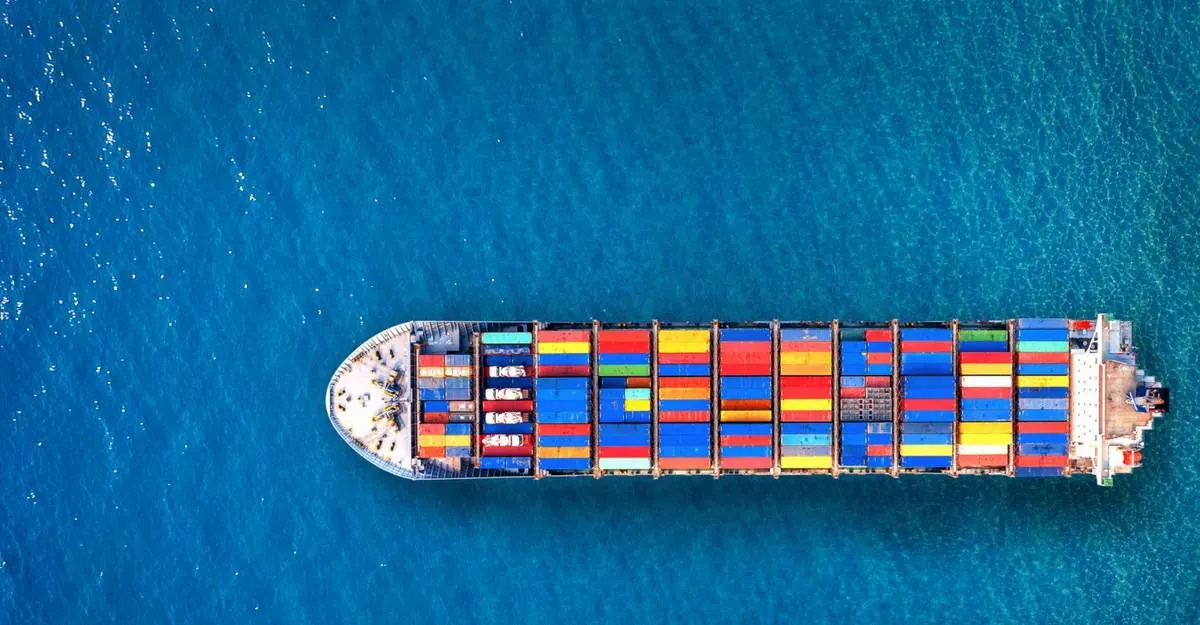
The Price of a Broken Cable
Why the industry is shifting from fixing faults to preventing them.
Note: Sources: ITU, ICPC, SubOptic industry report (June 2025).
Prevention has limits, and the Pacific is currently demonstrating them. On September 11, a 7.6-magnitude earthquake struck eastern Papua New Guinea, about 67 kilometers east of Kainantu and 80 kilometers northwest of Lae. State-owned DataCo confirmed multiple breakages in the Kumul Submarine Cable Network between 17 and 170 kilometers out of Madang, plus damage to the PPC-1 cable connecting Sydney, Madang, and Guam. Telecom and internet services across the country were disrupted, and enterprise and government users faced degraded service for weeks.
No acoustic sensor stops an earthquake. DataCo secured and scheduled a repair vessel for mid-October, and China provided $3.47 million in support to fund the work. The Kumul network spans 5,457 kilometers of domestic cable, linking regions across the island and into neighboring Indonesia through Jayapura, so the damage struck a single network the entire country depends on. The incident is the counterpoint to the insurance story: active protection handles human threats, but nature still requires repair ships, and the fleet that handles both jobs is stretched thin.
The funding paradox nobody has solved
That fleet is the real constraint. A June 2025 SubOptic industry report puts the global cable ship count at roughly 62, with only about 19 under maintenance contract, and estimates that 15 of those will need replacing by 2040 at a cost of roughly $3 billion. Maintenance contracts typically run only five years, which makes it hard to justify the capital cost of a replacement vessel, and in regions where cable laying is booming, day rates for laying can run about four times the rates for repair, pulling available ships toward installation work.
The economics are circular in a way the whole internet industry should recognize. Repair capacity is only useful when it sits idle, and idle capacity does not earn returns. So the market underfunds the ships, the ships age, repairs take longer, and insurers respond by pricing prevention instead. The insurance product launched in Singapore is, in a sense, a financial admission that the repair fleet cannot be fixed by repair economics alone.
There is a larger lesson here about how the internet actually works. The network in your home feels instant and immaterial, but its foundations are steel, glass, and weather windows. Nearly all intercontinental traffic crosses an ocean on a cable, and the security of that system now depends as much on underwriters and acoustic sensors as on the engineers who fuse the fibers. The internet's biggest vulnerability was never technology. It was maintenance economics, and for the first time, someone is putting money on the other side of the bet.
0 Comments