
On September 28, SpaceX did something it had tried and failed to do thirteen times before: it flew Starship to orbit. The 40-story rocket lifted off from Starbase, Texas, lost one of its six upper-stage Raptor engines partway through ascent, and kept going anyway. The remaining engines compensated for the lost thrust, controllers reworked the flight plan in real time, and the spacecraft reached orbit, deployed 26 Starlink V3 satellites, and completed its planned orbital maneuvers before coming home.
It was the biggest single milestone in the program since the first tower catch of a Super Heavy booster. But one orbital flight does not make an operational system. Nobody recovered anything. The booster splashed down in the Gulf of Mexico, and the ship reentered over the Pacific, where it was expended by design. The real test, the one that determines whether Starship becomes a working transportation system or just a bigger expendable rocket, comes next: catching it.
What Flight 14 actually proved
Reaching orbit was the headline, but the operational details matter more. Starship demonstrated an orbital insertion burn and a controlled deorbit maneuver, two capabilities no previous Starship flight had attempted. It delivered an operational payload: the first time the vehicle has carried working hardware to orbit rather than inert mass simulators. The 26 satellites, deployed individually at roughly 269 kilometers altitude, represent exactly the kind of batch deployment Starship was designed for. One Starship flight can eventually carry the payload of dozens of Falcon 9 launches.
The mission also revealed the state of the engine problem that has shadowed the program all year. One of six Raptor engines shut down prematurely during ascent, and SpaceX shortened the orbital phase from a planned ten hours to about three. That the flight still succeeded says something encouraging about engine-out redundancy: losing one engine on the upper stage is survivable. That it happened at all says something less encouraging about Raptor reliability, which remains the program's most stubborn technical risk.
Starship reached orbit. Nobody recovered anything. The next flight is about closing that gap.
Catching the ship is a different problem
Enjoying this story?
Get the five most important stories in tech, every morning. Free.
SpaceX has already caught Super Heavy boosters with the launch tower's mechanical arms. But the upper stage, the ship, has never been caught, and the physics are unforgiving in a way the booster return is not. The ship returns from orbital velocity, roughly 7.8 kilometers per second. It has to bleed off that energy as heat through the atmosphere, protected by thousands of heat shield tiles, steer with aerodynamic flaps, reignite its engines for a landing burn, and arrive at the tower within meters of the right spot so the arms can close around its catch points.
The engines must also restart after surviving reentry, on a vehicle just shaken by hypersonic entry forces. The Block 3 hardware design, the current generation flying in 2026, includes modified catch interfaces and propulsion changes aimed specifically at making recovery routine. The configuration has evolved across this year's flight tests, but no Starship upper stage has yet been recovered, let alone reflown. There is even a rehearsal in progress: the ship that survived a water landing on Flight 13 in July was recovered from the ocean and returned to the Port of Brownsville on October 7, giving SpaceX hardware to inspect and practice horizontal transport operations on.
November, then Florida
Starship: What Has Been Demonstrated
Test-flight milestones through Flight 14, and what Flight 15 targets.
Note: For illustrative purposes only.
The catch attempt is targeted for November. Speaking at the X Takeover event in Austin on October 10, Elon Musk said Flight 15 was hopefully four to six weeks away, which points to a window between November 7 and November 21. Airspace planning material circulated earlier suggested a tentative November 8 date, and scheduling references filed with the FAA point to the first Florida Starship flight, Flight 16 from Pad 39A at Kennedy Space Center, in early December. None of these dates are confirmed launches. Testing, airspace coordination, and regulatory approvals can all move them.
The regulatory side deserves attention, because it may be the real pacing item. SpaceX's long term plans envision dozens of launches per year from its key space centers, but that cadence requires a modified FAA operator license. Public comments on the licensing process closed October 14. Getting the hardware to orbit proved SpaceX can build the rocket. The paperwork will decide how often it flies.
One catch is not reusability
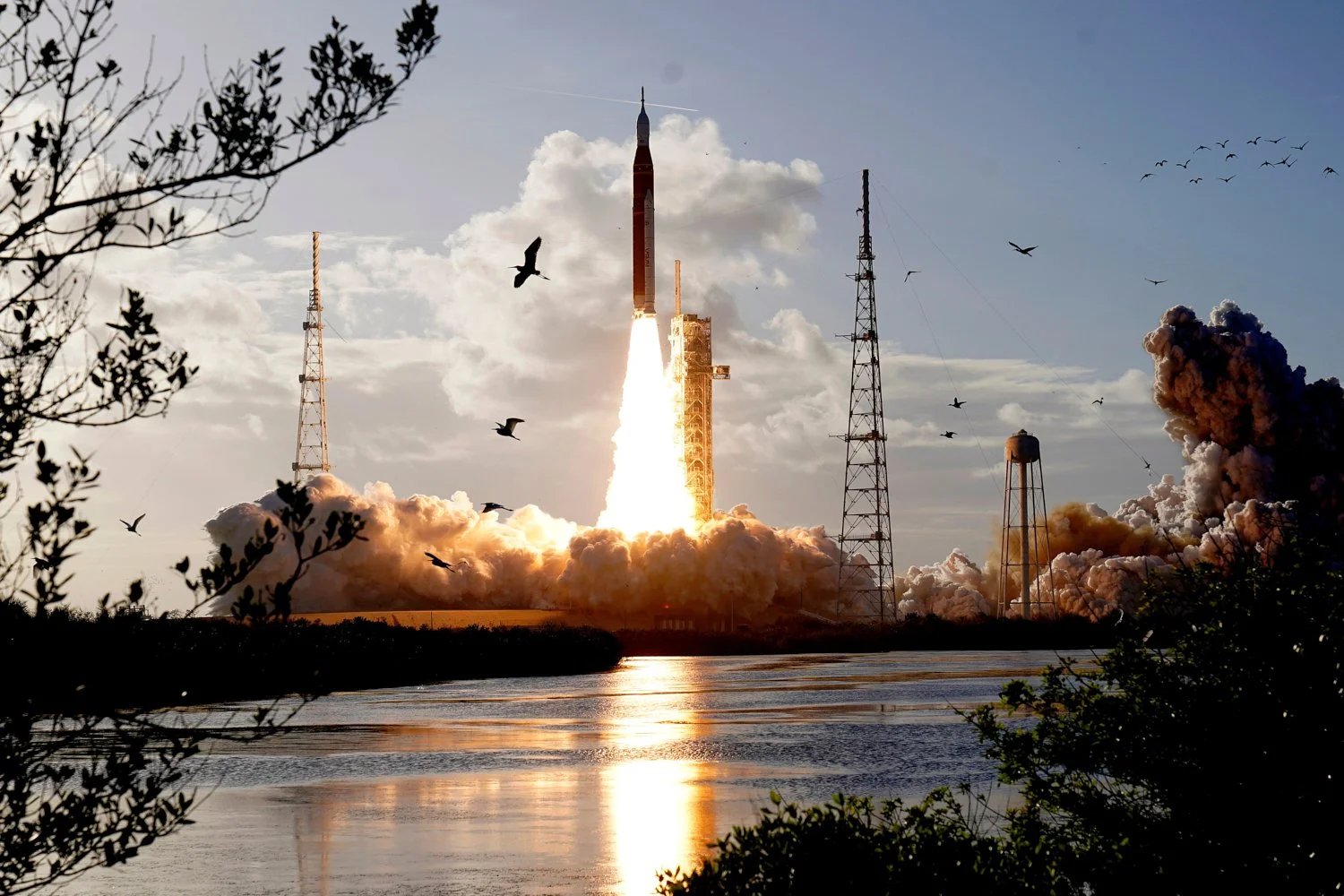
Suppose Flight 15 succeeds and the tower arms close around a ship that has been to orbit and back. That would be a spectacular first. It would also be exactly one data point. Recovery and reflight are separate milestones. After a catch, engineers must inspect engine condition, check the heat shield and structure, service components, and certify the vehicle for another launch. The duration and cost of that refurbishment process is what determines whether recovery is an operational breakthrough or an expensive stunt.
Musk has suggested the Flight 15 booster and ship could potentially fly again on Flight 16. That is a forecast, not a vehicle assignment. And even routine ship recovery would not complete the capability set SpaceX needs. The company's lunar ambitions, including the Starship variant meant to land NASA astronauts on the moon, depend on a harder problem: transferring propellant between two Starships in orbit. Flight 15 does not attempt refueling, docking, or a lunar landing. Each milestone needs its own test, its own evidence, its own flight.
Starship is no longer a question of whether it can reach space. That question was answered on September 28, with an engine out. The question now is whether the most ambitious part of the design, a fully reusable two-stage vehicle that flies like an aircraft, can survive contact with orbital reentry. November will start answering that.
0 Comments