
In June 2026, MSI released the most expensive mainstream gaming handheld anyone had ever made. The Claw 8 EX AI+ launched at $1,799, built around Intel's new Panther Lake platform and the first integrated graphics chip designed specifically for the handheld form factor. Reviewers praised its performance and winced at the price, while MSI itself was already warning that memory costs could push prices higher still.
Four months later, the same company is back with the same 8-inch chassis, the same 80Wh battery, the same 32GB of memory, and a price tag that is $300 lower. The only thing that changed is the silicon inside.
The $300 question
The new model is called the Claw 8 EX AI+ CG3M, and it went on sale in China on September 26 at 10,499 yuan, according to reporting from Chinese outlet IT Home that was confirmed in press coverage. That is 1,000 yuan less than the Arc G3 Extreme version with the same 32GB of RAM and 512GB of storage. In the United States, retailer ExcaliberPC has it up for preorder at $1,499 with availability expected October 30, which is exactly $300 under the $1,799 flagship launch price.
The hardware swap is surgical. The CG3M trades Intel's Arc G3 Extreme integrated graphics for the standard, non-Extreme Arc G3 tier on the same Panther Lake platform. Reporting from outlet Lowyat, citing early specification disclosures, puts the standard tier at 10 Xe3 graphics cores against 12 in the Extreme version, with a peak clock around 2.2GHz instead of 2.3GHz and roughly 90 INT8 TOPS of AI performance compared with 113 on the flagship. Reporting from Notebookcheck on the US listing adds that the model arrives in a Luminous Blue finish, designates its graphics as Arc B370 rather than the B390, and ships with 512GB of storage instead of 1TB. Everything else carries over: the 8-inch 120Hz 1920x1200 display, dual Thunderbolt 4 ports, Wi-Fi 7, Hall effect sticks and triggers, and the 80Wh battery with 65W fast charging.
One caveat: neither MSI nor Intel has published a full specification sheet for the non-Extreme tier the way they did for the Arc G3 Extreme at launch. Treat the CG3M as a materially different, lower-tier chip, not as a storage-trimmed copy of the flagship.
Why the original price stung
Enjoying this story?
Get the five most important stories in tech, every morning. Free.
The June reviews were unusually aligned. The Claw 8 EX AI+ was a performance leader among handhelds, but at $1,799 it sat squarely in gaming-laptop territory. TechRadar compared it against a mid-spec Alienware laptop at $1,999 and concluded few mainstream gamers could justify the spend. Engadget described it as one of the most expensive portables from any mainstream PC maker and questioned whether the chase for higher frame rates was worth the asking price.
MSI did not pretend the pricing environment was friendly. At launch, the company warned of a tough year and even flagged the possibility of further price hikes, not cuts. The culprit was memory: DRAM and LPDDR5X shortages pushed costs across the whole PC industry in 2026. Valve raised Steam Deck OLED prices by up to $300 in late May, Acer warned of 20% price increases tied to the memory crunch, and several handheld makers delayed refreshes rather than ship at worse margins.
Instead of raising prices or cutting memory, MSI cut the GPU tier. That is a very different answer to the memory crisis than the rest of the industry tried.
That context is what makes the CG3M interesting. Most of the industry answered the memory crisis by making buyers pay more. MSI answered by trimming the GPU, the one part of the device where a cheaper tier actually exists, while keeping the expensive memory and display untouched.
How $1,499 changes the lineup
The Handheld Price Ladder
US list prices for leading handheld gaming PCs, October 2026.
Note: Prices from manufacturer and retailer listings, October 2026.
The price cut moves MSI's handheld out of a tier it was occupying alone and into the middle of a crowded pack. The ROG Xbox Ally X20 lists at $1,299.99, the ROG Xbox Ally X at $999.99, and Lenovo's Legion Go 2 starts around $1,199 for its SteamOS configuration, with Windows configs running from about $1,580 up to $2,000. The Steam Deck OLED, after its May price increase, sits at $789 for 512GB and $949 for 1TB.
At $1,799, the Claw 8 EX AI+ competed with entry-level gaming laptops. At $1,499, it competes with other handhelds, which is where it was always going to win or lose. The cheaper model also arrives just as AI upscaling is landing on portable PCs, with AMD's FSR 4 rollout promised for handhelds before the end of 2026, a technology that could matter more for battery-limited devices than raw GPU clocks. It also lands in a year when traditional console sales are slumping, pushing more of the industry's attention toward portable and PC-adjacent hardware.
The tiered-silicon playbook
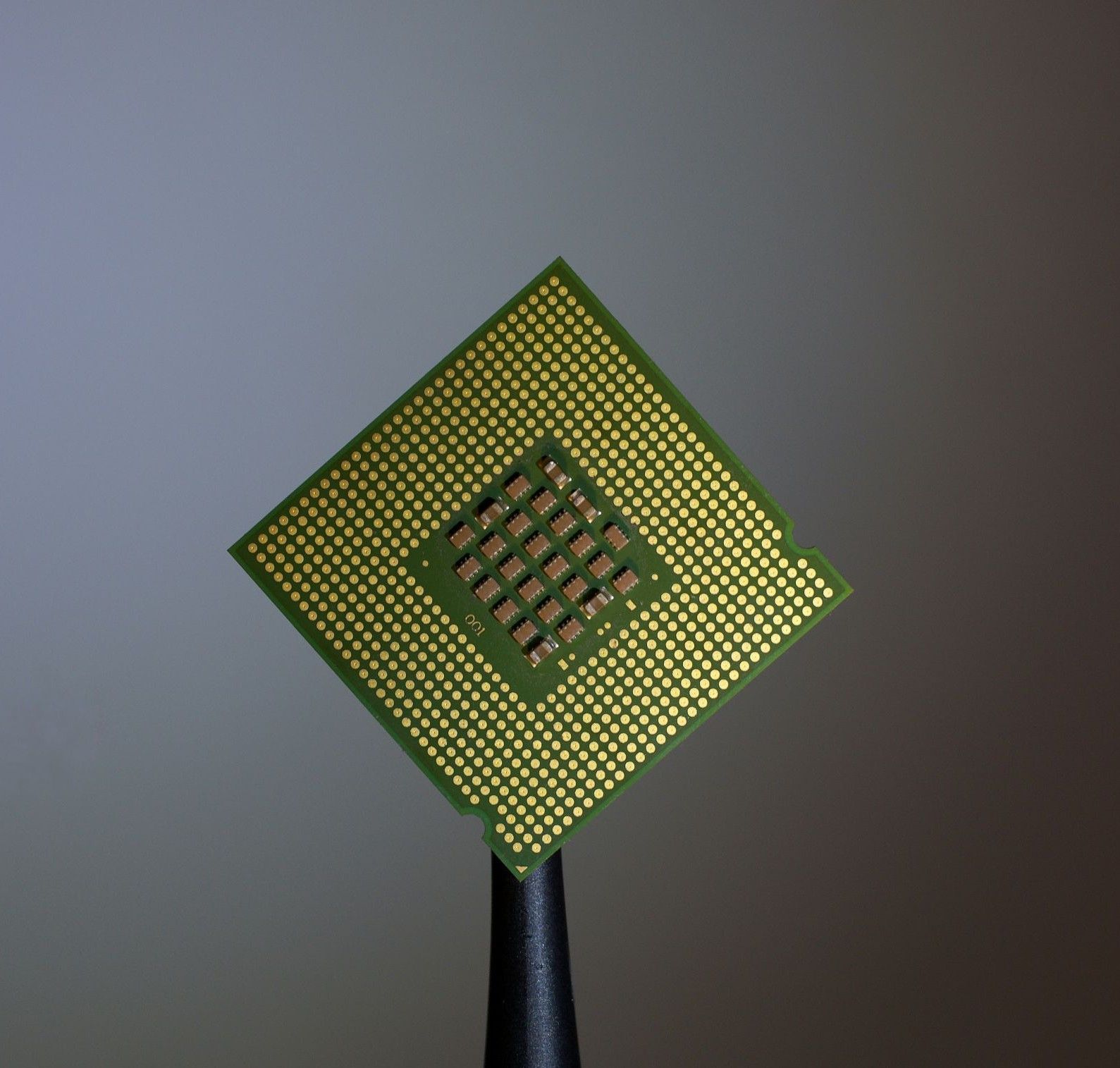
The deeper signal here is not the $300. It is that MSI found a way to widen its addressable market without engineering a new handheld from scratch. The same chassis, the same assembly line, a different chip. That is a strategy the whole category can copy, and it signals that Intel's Panther Lake platform is now mature enough to be sold in more than one configuration for the same device, something that was not true when the Arc G3 Extreme launched in June as the only option.
There is still a real performance gap between the tiers. MSI said in September that frame generation pushes average performance above 120 FPS at 1200p across various AAA titles on the Extreme tier, a bar the lower-clocked, lower-core-count CG3M is unlikely to match. Buyers chasing maximum frame rates in demanding games will likely still want the Extreme configuration.
But for everyone else, the CG3M is the more honest product. Handhelds spent years as a conversation about compromise, about dialing settings down and accepting whatever battery life came with it. The 2026 generation of chips changed the physics: genuine 1200p gaming at 60 to 90fps in a portable device that sips power instead of draining an 80Wh battery in an hour. The remaining problem was never performance. It was that the best version of it cost $1,799. MSI just took $300 off that problem, and the rest of the industry is about to feel the draft.
0 Comments