
SpaceX wants to turn Starbase into a rocket factory that never sleeps. The company is asking the federal government for permission to launch up to 456 Starships a year from its Boca Chica, Texas site, along with 912 landings. That is more than one launch per day on average, and roughly eighteen times the 25 annual launches the site is currently licensed for.
The Federal Aviation Administration did not say yes. Instead, on October 12, it filed a Notice of Intent in the Federal Register (document 2026-20963, docket FAA-2026-12808) announcing it will prepare a programmatic environmental impact statement, the heaviest form of environmental review under federal law. It is also opening a public scoping period, with comments due November 30, 2026, and in-person meetings scheduled in Brownsville and Port Isabel on November 17 and 19, plus a virtual session on November 18.
What SpaceX actually asked for
The proposal covers both pieces of the Starship-Super Heavy system. Starship is the upper stage; Super Heavy is the booster that gets it off the ground. The 912-landing figure looks enormous because it counts each separately: 456 Starship landings plus 456 booster landings, including landings of vehicles that launched somewhere else entirely.
The plan is split into two phases. Phase 1 would allow up to 100 launches and 200 landings a year, at any day or time of the week. Phase 2, which the FAA says could arrive 'within several years' as the vehicle matures, would unlock the full 456 launches, still at any hour but restricted to Monday through Friday. Landings could return to the launch site, splash down softly in the Gulf of Mexico or the open ocean, or be intentionally expended in flight. 'As the vehicle continues to mature and reliability improves, launch and landing rates are expected to increase,' the FAA said.
To put it in perspective: Starship has flown at most five times in a year from Starbase, and only three times so far in 2026. SpaceX is asking regulators to plan for a cadence more than 150 times what it has demonstrated this year.
SpaceX is asking for permission to fly Starship 456 times a year. It has flown the vehicle three times this year.
Why now, and why so big
Enjoying this story?
Get the five most important stories in tech, every morning. Free.
This is not really about Texas. It is about what Starship has to become. Elon Musk has said openly that within less than a decade, Starship should be launching more than once every hour. The vehicle is designed to be fully and rapidly reusable, reflyable with minimal refurbishment, something SpaceX has not yet unlocked. Rapid reuse is the entire economic premise: if each Starship can fly hundreds of times, the cost per kilogram to orbit collapses, and plans for thousands of Starlink satellites, lunar missions, and eventually Mars transport start to pencil out.
The paperwork is the long pole in the tent. Environmental reviews of this scale take years, so SpaceX is asking for the ceiling now, before the capability exists. The company has already floated a separate, staggering proposal: investing as much as $100 billion to build a massive launch complex in southern Louisiana built for high-cadence flight. Tuesday's Texas filing is the federal paperwork that would have to clear before Starbase itself could climb from a few dozen authorized flights toward something closer to a weekday factory rhythm. On the ground, the day-to-day cadence is already relentless: Booster 21 moved to the pad ahead of Flight 14, and SpaceX recently released the first footage of Starlink V3 satellite deployments from a Starship mission.
What the review will actually examine
A programmatic environmental impact statement under the National Environmental Policy Act is the federal government's most thorough review. The FAA says it will evaluate air quality, wildlife, coastal resources, noise, cultural resources, and water quality, alongside consultations under the Endangered Species Act and historic preservation law. Starbase sits next to sensitive coastal habitat and wildlife refuges in South Texas, and past environmental disputes there have drawn national attention, so none of this is pro forma.
The review will also have to grapple with airspace. More launches mean more closed airspace and more rerouted airline flights, as carriers adjust paths to avoid launches or potential falling debris when rockets fail. That is not theoretical: when Starship flights have gone wrong, debris fields have disrupted aviation and drawn scrutiny from regulators on both sides of the Gulf.
The important caveat: nothing in this week's notice approves the higher cadence. It is a scoping exercise, the beginning of a process. A draft PEIS will arrive later and open its own comment period. SpaceX could get the full 456, a trimmed version, or a list of mitigations that makes high cadence expensive to operate. Anyone can weigh in through regulations.gov on docket FAA-2026-12808 before the scoping window closes.
The gap between the filing and the rockets
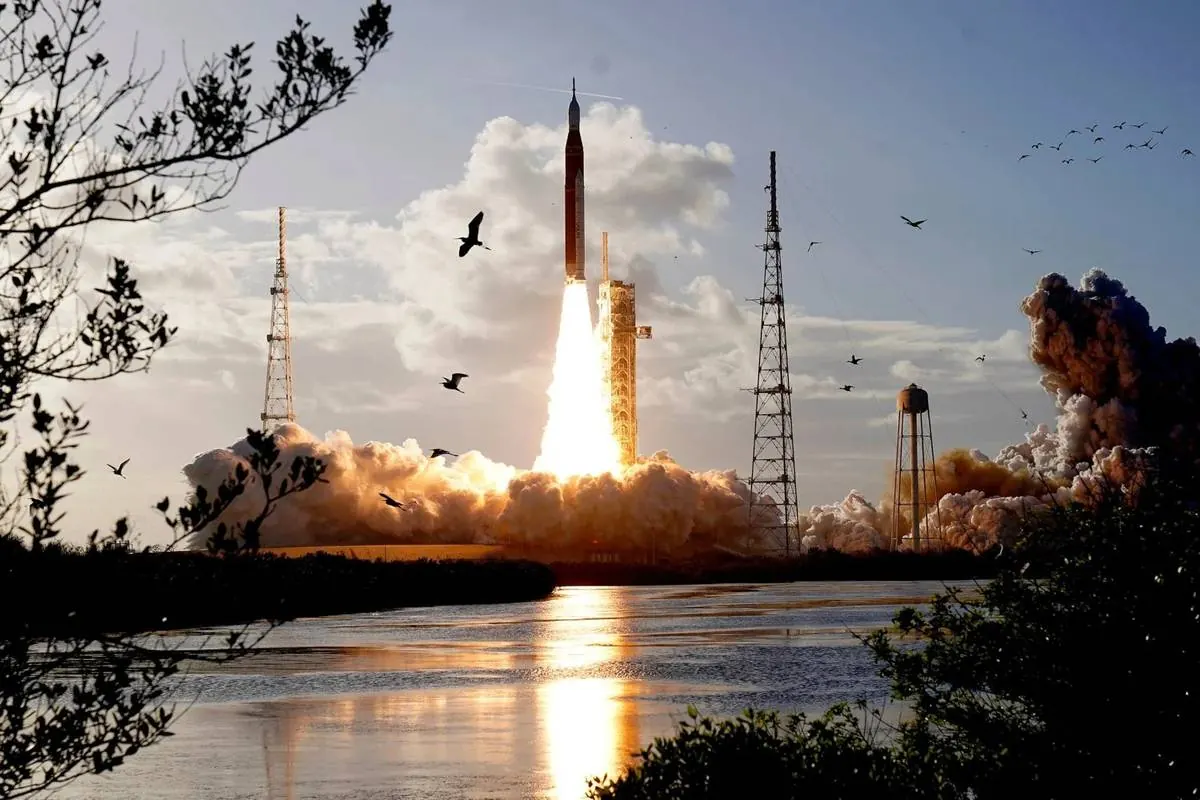
Here is the honest read. Musk says he hopes to land both major pieces of the vehicle back at Starbase before the end of the year. But rapid reuse, measured in hours rather than weeks, remains a promise, not a demonstrated capability. The FAA knows this, which is why Phase 2 is explicitly conditioned on the vehicle maturing. The agency is not planning for 456 launches next year; it is planning for a future where Starship works as advertised, whenever that arrives.
That gap is what makes the filing fascinating. SpaceX is building the regulatory runway for an operational tempo that its hardware cannot yet fly. It is a bet that the engineering will catch up to the paperwork. For the FAA, it is a bet in the other direction: start the years-long review now, so that if SpaceX delivers, the license is waiting. For everyone else in South Texas, from wildlife refuges to airlines to the residents of Brownsville, the next six weeks of scoping comments are the moment to get their concerns into the federal record.
0 Comments