
Ring was born at the front door. On October 7, the Amazon-owned company announced it is finally walking through it: the Ring Smart Lock, its first smart lock, arrives in the United States in early 2027. It costs a reported $249, unlocks four different ways, and carries a feature no other mainstream lock has. When the battery dies, you turn a dial and recharge it by hand. Alongside the lock, Ring announced five new cameras, including its first indoor 4K model. The company that defined the video doorbell is now coming for the whole front door.
The hand crank is the whole story
Every smart lock on the market shares one failure mode: without power, it is a brick. That is the single biggest reason people hesitate to buy one. The backups other brands offer all have downsides. Hidden physical keys defeat the purpose of going keyless. Exposed USB-C emergency ports assume you have a power bank in your pocket at midnight. Nine-volt contacts work, but they are fiddly and easy to miss in the dark.
Ring's answer is a power dial built into the lock itself, which the company describes as a first of its kind. Arrive home to a dead battery, turn the dial a few times, and the lock generates enough charge to let you in using one of its four entry methods. Once inside, you pop out the removable Quick Release Ultra Battery Pack and charge it as usual. Nothing extra to carry, nothing to hide under a doormat.
The idea came from a personal frustration. Ring founder Jamie Siminoff said he started rethinking the smart lock while shopping for one for a vacation home that sits empty most of the year. The battery would inevitably die between visits, and visiting family or friends could end up stuck outside. So he set out to build a lock you could hand-crank just enough to open, using AI-assisted design tools to prototype it.
Smart lock anxiety. A lock has to work every time, and until now, a dead battery could leave you locked out of your own home. (Jamie Siminoff, Ring founder)
To be clear, the crank is a safety net, not a lifestyle. Ring says the battery lasts about a year on a charge, and the Ring app will warn you well before it runs down. If you ignore the warnings or come home from a long trip, the dial is there. That is the entire point: the lock is designed so the worst case is a few seconds of turning a dial, not a locksmith bill.
Four ways in, one ecosystem
Enjoying this story?
Get the five most important stories in tech, every morning. Free.
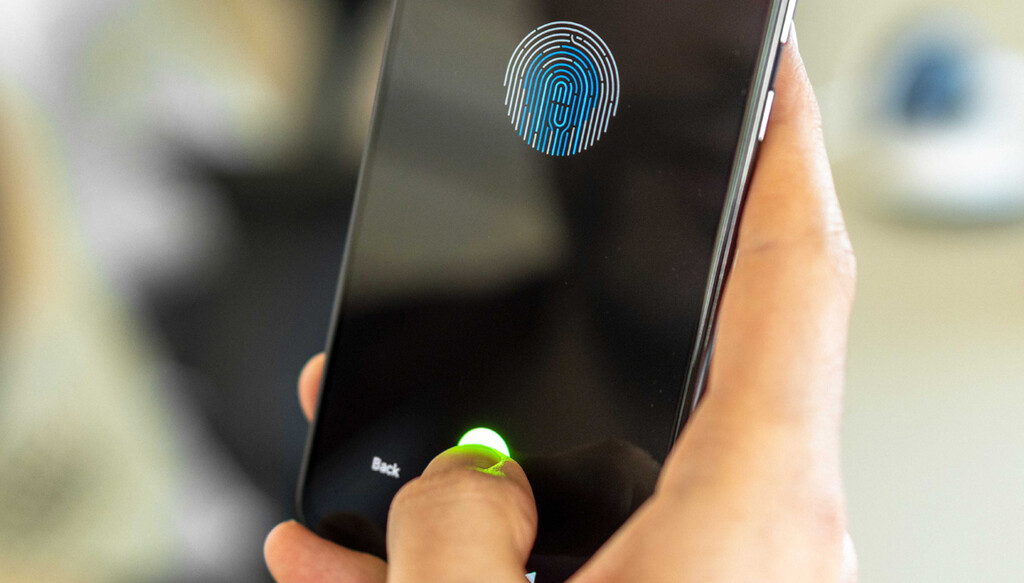
The lock itself is fully keyless. You get in with a fingerprint reader, a backlit touchscreen keypad, the Ring app, or Alexa voice control through a supported Echo device. Four methods matters because households are not uniform. Kids forget codes, guests lack the app, and voice helps when your hands are full.
The app is where the lock stops being a deadbolt and starts being a platform. Owners can check whether the door is locked from anywhere, grant and revoke access without changing hardware, and hand out time-limited codes to visitors. Ring's own example is a dog walker allowed in only on Tuesdays from 2:00 to 3:00 p.m. Scheduled access like that turns the front door from a binary open-or-shut problem into something you can manage like a calendar. Lock activity lands in the same Ring activity feed as your doorbell and cameras, so the whole front door reads as one timeline. Ring also plans to let third-party developers build specialized software for the lock, which would suit short-term rental hosts.
Connectivity runs over Amazon Sidewalk, the company's low-power neighborhood network, which means the lock can receive remote commands and send alerts even if your home Wi-Fi goes down, as long as there is Sidewalk coverage nearby. That is a meaningful resilience choice for a device whose entire job is working when everything else fails.
Five cameras, and 4K comes indoors
Ring's October Lineup: The Price Ladder
Five new cameras go on sale now. The $249 smart lock follows in early 2027.
Note: U.S. launch prices announced October 2026; figures approximate.
The lock shared the announcement with five new cameras, and the lineup tells its own story about where home security is heading: sharper images, more power options, and privacy hardware you can see.
The headliners for indoors are the Indoor Cam 4K ($99.99), Ring's first home-focused 4K camera, with a 115-degree field of view, dual-band Wi-Fi 6, up to 10x enhanced zoom, a physical privacy shutter, and a Power over Ethernet option. Next to it, the Pan-Tilt Indoor Cam 2K ($69.99) solves a problem resolution cannot: the subject leaving the frame. Its motorized base pans a full 360 degrees and tilts 175 degrees, with computer-vision auto-tracking that follows people or pets around the room. A single-slide privacy shutter kills both the camera and the microphone at once. For many rooms, coverage matters more than pixels: a fixed 4K camera gives you a beautiful image of an empty corner once the dog walks behind it.
Outside, three 4K Plus models go up for preorder: the Outdoor Cam 4K Plus ($149.99) with battery, solar, plug-in, hardwired, and PoE power options; the Spotlight Cam 4K Plus ($199.99) with a 550-lumen spotlight; and the Floodlight Cam 4K Plus ($219.99) with dual 2,000-lumen floodlights and support for 24/7 recording. The two indoor cameras went on sale October 7 in eleven markets. The outdoor trio ships October 27 in the US.
Why the front door is the prize
Step back and the strategy is obvious. Ring already owns the doorbell. Add a lock, indoor and outdoor cameras, and an alarm, and the front door becomes a single integrated stack with one feed, one app, and one subscription. That is stickier than any single gadget.
It also explains the timing. The front door is becoming the connected home's strategic battleground. Established lock brands like Schlage, August, and Yale are not standing still, and Apple is reportedly pursuing its own smart lock ambitions through a partnership with LG, timed to its big October 13 smart home push. Amazon is not waiting to find out what that looks like.
The fine print, as always, deserves a read. Continuous recording and long video history live behind Ring's paid Protect plans, so factor the subscription into the real cost of a multi-camera setup. More cameras in more rooms also means more footage stored in the cloud, so check retention settings and privacy zones before mounting one in a hallway. And the lock itself does not ship until early 2027, so treat the specs as a preview: confirm compatibility, installation requirements, and privacy details when final retail documentation lands.
Still, the throughline of the whole announcement is resilience. A lock that survives its own dead battery. Cameras that run on battery, solar, or Ethernet. A lock that talks to the neighborhood network when your Wi-Fi drops. The smart home's next era is not about more features. It is about working properly when things go wrong.
0 Comments