
On October 5, the most unlikely handshake in tech happened on paper. Qualcomm, the San Diego chip designer at the center of the American wireless industry, signed a multiyear patent cross-license with Huawei, the Chinese telecom giant that Washington has spent seven years trying to wall off from American technology. The agreement covers 5G, artificial intelligence, computing, and networking. And as part of it, Qualcomm agreed to buy a batch of Huawei's US patents outright.
No chips change hands. No sanctions were lifted. But for the first time in 25 years, Qualcomm becomes a net payer to Huawei, and that reversal says more about the current balance of tech power than almost any product launch this year.
What the deal actually covers
The agreement is a cross-license: each company gives the other permission to use its patented inventions across the four fields. According to industry coverage of the announcement, it was reached under fair, reasonable, and non-discriminatory (FRAND) principles, the standard framework for licensing standard-essential patents, the ones you cannot avoid using when you build something to a technical standard like 5G.
It is the first patent agreement between the two companies that covers 5G, and the broadest licensing arrangement they have ever signed. The second part is stranger: Qualcomm will purchase selected Huawei-owned US patents in computing, AI, networking, and other fields, with the transfer closing only after regulators approve it. The companies disclosed no financial terms, no effective date, no length for the multiyear agreement, and no list of the patents changing hands.
Qualcomm still cannot sell Huawei a 5G modem. What it can do, apparently, is pay Huawei for the patents it needs to keep building them.
The $6.9 billion story
Enjoying this story?
Get the five most important stories in tech, every morning. Free.
Huawei expects the deal to push the combined contract value of all its patent-licensing agreements past $6.9 billion, its spokesperson told Bloomberg. The number is the real headline, because Huawei spent 25 years as a patent payer, not a patent seller. Its first-ever intellectual property licensing payment, in 2001, went to Qualcomm, when Huawei was still a scrappy telecom equipment maker building products on top of wireless standards it did not own. Its first licensing revenue did not arrive until 2011, from Motorola.
The portfolio behind that number is enormous. By the end of 2025, Huawei held more than 165,000 active granted patents and had signed more than 260 licensing and cross-licensing agreements with major technology companies. It says 55 Fortune Global 500 companies now pay to license parts of its portfolio. The company noted that its IP licensing business has been profitable since 2021. The Qualcomm deal came just weeks after Huawei reached a separate cross-licensing agreement with HP covering Wi-Fi technology.
The LogicFolding subplot
Twenty-Five Years of Huawei and Qualcomm IP
From first payment to the 2026 cross-license.
Note: Figures from company statements and reported coverage.
There is one detail the two sides will not quite confirm the same way. Bloomberg, citing a Huawei spokesperson, reported that the agreement includes patents behind LogicFolding, Huawei's chipmaking approach that aims to improve chip performance by speeding up data transmission, a workaround for the fact that the company's access to the most advanced foreign chipmaking equipment is restricted. Optical technologies were also identified as part of the licensed fields.
Then came the pushback. Industry analyst Anshel Sag publicly questioned the LogicFolding account, noting that the official statements from the two companies never named that technology, and challenged reports that Qualcomm is paying Huawei licensing fees, pointing out that the only confirmed payment is the purchase of the US patents. The dispute is revealing in its own way: so little of the deal's substance has been disclosed that even the scope of what is licensed is being argued about in public.
Why this is so strange
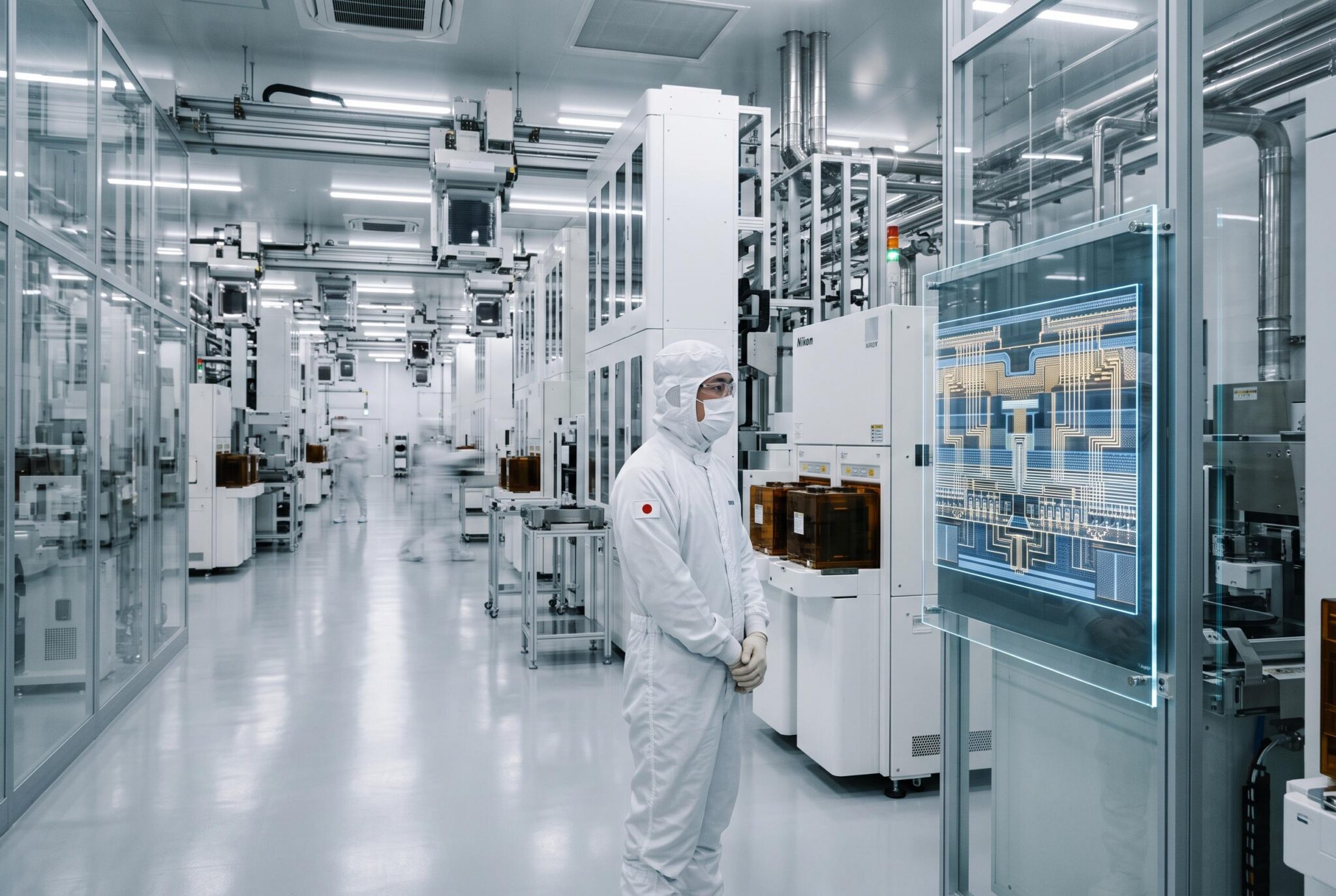
Huawei has been on the US Commerce Department's Entity List since May 2019. The restriction blocks American companies from exporting chips, software, and underlying technology to Huawei without a license, and it extends to any foundry anywhere in the world that uses American equipment to manufacture Huawei-designed silicon.
Qualcomm still cannot sell Huawei a 5G modem. But licensing patents is a different lane from shipping products, and a US company paying a sanctioned Chinese company for intellectual property is not the same thing as selling it technology. As one industry analysis put it, the companies announced no chip supply agreement, no joint product development, no network equipment program, and no relaxation of US technology controls. They simply reduced one category of strategic uncertainty: reciprocal exposure to patent claims across a widening set of overlapping technology markets.
What it means next
For Qualcomm, the timing is about the future of wireless. The company has been shifting its focus toward 6G, which it expects to enter commercial service in 2029, with demonstrations of pre-commercial devices and new AI services targeted around the 2028 Los Angeles Olympics. Clearing the patent thicket with Huawei, one of the largest holders of 5G standard-essential patents, is the kind of unglamorous legal work that makes ambitious roadmaps possible.
For Huawei, the deal is validation by transaction. A company under the heaviest sanctions regime in modern tech is not just surviving, it is collecting licensing revenue from one of America's largest chipmakers, for IP that company needs. Qualcomm's stock rose more than 4% in pre-market trading after the announcement, the market's verdict that certainty was worth whatever the price turns out to be.
The regulatory review of the patent purchase is still pending, and until it closes, the strangest part of the deal exists only on paper. But the larger pattern is already clear. In the tech cold war, patents have become the currency that still flows across the divide, and the balance of that currency has just tipped the other way.
143 Comments