
On October 14, Bloomberg reported that ByteDance is in advanced talks with Taiwan's MediaTek to buy custom chips for its data centers. The chips would be application-specific integrated circuits, or ASICs, designed specifically for ByteDance's own workloads. If the negotiations close, the TikTok owner would become MediaTek's second major customer for this kind of bespoke silicon, after Google. Bloomberg cited people familiar with the private discussions, and neither company has commented publicly. Volume, pricing, and timing were not disclosed.
It is the kind of deal that would have seemed far-fetched five years ago: a Chinese internet giant, cut off from Nvidia's most advanced processors by U.S. export controls, assembling a supply chain of custom chips in partnership with Taiwanese designers, building its compute around the restrictions instead of through them.
The second customer after Google
MediaTek is best known for smartphone processors, but its ambitions have been moving into the data center for some time. The company is a major vendor for Google's tensor processing units, and it expects its first data-center AI accelerator ASIC to enter mass production in the fourth quarter of 2026. MediaTek expects AI chip sales of about $2 billion this year.
The bigger play is next year. In July, MediaTek said it sees the market for custom AI chips reaching $80 billion in 2027 and that it is targeting 15 to 20 percent of it, up from an earlier range of 10 to 15 percent. In August, Nvidia agreed to invest $3.5 billion in MediaTek convertible bonds, a bet that ties the two companies closer even as Nvidia's best processors remain off limits in China. MediaTek also posted third-quarter revenue of NT$168.06 billion, above its guidance, according to October 9 reporting. The company's shares fell 6.93 percent in Taipei on October 15, but that came on a day the broader Taiex index dropped 3.41 percent, so the move says more about the market's mood than the ByteDance report.
A Qualcomm precedent
Enjoying this story?
Get the five most important stories in tech, every morning. Free.
This would not be ByteDance's first custom-silicon maneuver. In May, the company struck a deal with Qualcomm to buy millions of AI chips for its data centers, according to Bloomberg. The pattern is deliberate diversification: barred from Nvidia's top tier, ByteDance is spreading its procurement across designers, with MediaTek next on the list if the talks finalize.
The export controls were supposed to slow Chinese AI down. Instead, they are teaching the country's hyperscalers to build their compute entirely outside Nvidia's supply chain.
The logic is straightforward. ASICs trade generality for efficiency: a chip that does one job well can run repetitive workloads like recommendation, ranking, and inference at lower power and cost than a general-purpose GPU. For a company running the same models billions of times a day across TikTok, Douyin, and its other properties, that efficiency compounds into real money.
The $70 billion backdrop
ByteDance's Custom-Silicon Push, by the Numbers
Reported figures behind the MediaTek talks.
Note: Figures from Bloomberg reporting, October 2026. Deal not finalized.
The chip talks sit inside one of the largest infrastructure buildouts in tech history. ByteDance is considering raising its capital spending to as much as $70 billion this year, more than double last year's total, and that figure could rise to $100 billion in 2027 if economic and business conditions are favorable, according to Bloomberg. The company secured a $30 billion loan in September to help fund the expansion.
The export-control context is worth stating precisely. ByteDance, Alibaba, and Tencent are barred from buying Nvidia's most advanced AI chips, and domestic Chinese chipmakers such as Huawei cannot meet all of the demand. But partnerships with chip designers remain allowed under current U.S. rules as long as the AI computing power a Chinese company acquires stays below a set threshold. ByteDance has been working that opening hard: the Qualcomm deal in May, the MediaTek talks now, and a signal last month that China may allow ByteDance and Alibaba to buy Nvidia's new RTX PRO 5500, which sits below the restricted tier.
Why custom silicon keeps winning
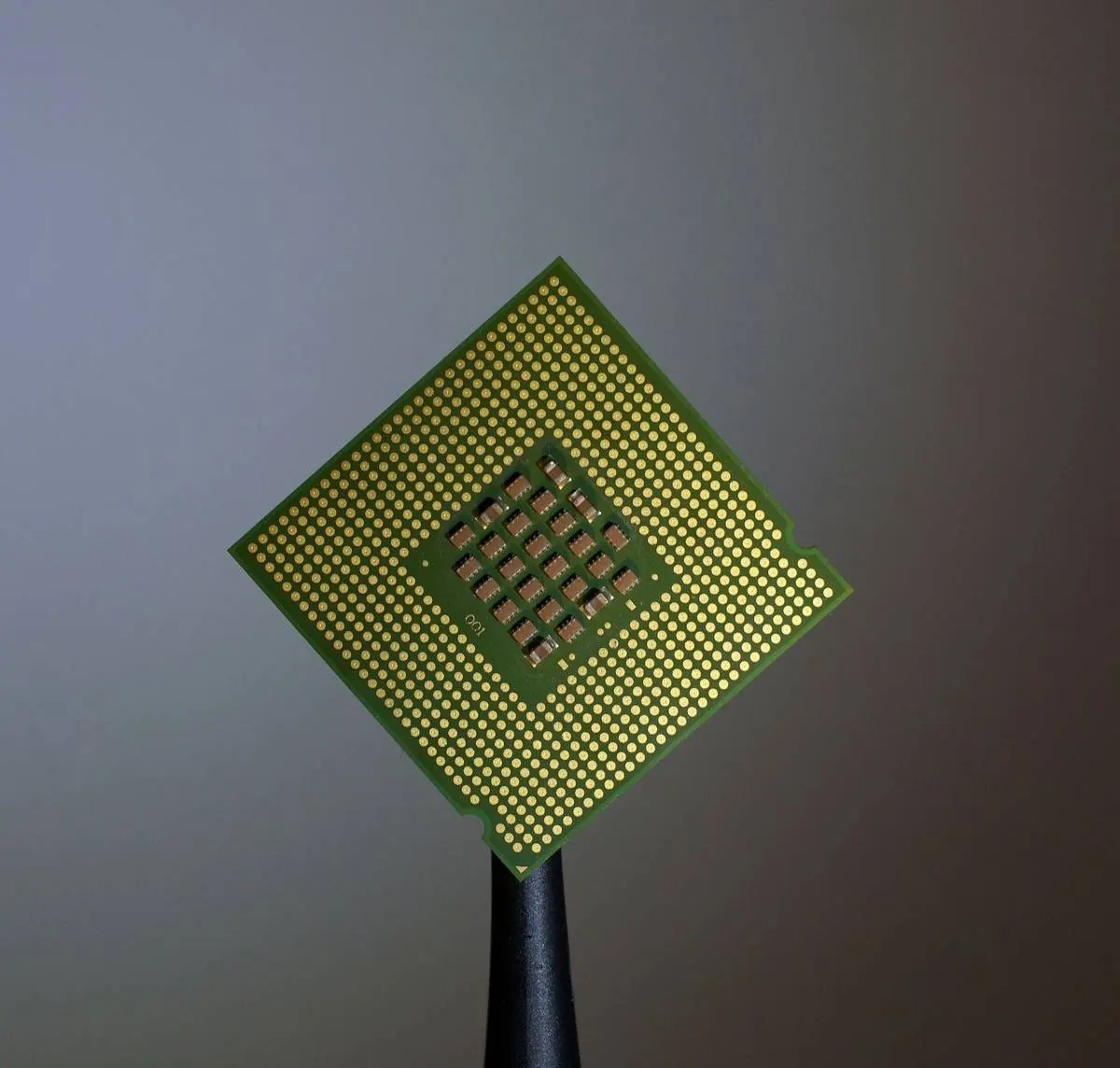
ByteDance is not alone in this. Amazon, Google, and Microsoft have all spent years designing their own AI silicon to cut the cost of inference, the everyday work of running trained models at scale. The custom-ASIC market exists because at hyperscaler volumes, the cheapest chip is often the one you design yourself. MediaTek, Broadcom, and Marvell compete to be the design partner that turns a cloud company's wishlist into silicon.
For MediaTek, landing ByteDance would turn a one-customer data-center story into a two-customer one, which matters for investors weighing whether the pivot beyond smartphones is real. For the broader industry, it is one more data point in a structural shift: the most important AI chips of the next decade may not come from the GPU giants at all, but from quiet partnerships between hyperscalers and the design houses that build to order.
A few caveats are in order. Advanced talks are not a signed contract, and the reported discussions could still fall apart over price, volume, or timing. The next hard checkpoints are MediaTek's own: whether the first data-center accelerator actually reaches mass production this quarter, and whether ByteDance's spending plans survive contact with the economy. If both hold, the deal under discussion would look less like a surprise and more like the next entry in a playbook ByteDance has been writing all year.
0 Comments